In other writings I have described the wonderful floating hotel I was on and the fantastic group of fellow travelers I was journeying down the Nile with. I was fulfilling a teenage dream; but as a retiree I finally had the time to realise that dream and walk in the footsteps of the Pharaohs. I was now able to visit places and see those things I had only ever watched on TV or read about in books.
I was very impressed with our guide, Abdul, and with the treasured antiquities Luxor is abundant with; truly amazing. Yet I found that it was very hard to get Abdul or anyone for that matter to consider any deviation from the mainstream Egyptian narrative.
If you will indulge me, I’d like to use another internationally renown monument as an example; Stonehenge. If you go into any history book the Stonehenge mainstream narrative is set in stone..! Pun intended. What is never mentioned, and only gets a few sentences even in Wikipedia. Is the massive restoration of the site. Lt. Col. William Hawley excavated at Stonehenge between 1920 and 1927. He righted six stones, enabling the removal of the unsightly larch poles which had previously been supporting them. He set these stones in concrete beds after excavating the sockets.
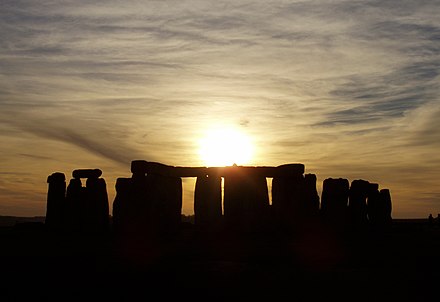
Stonehenge
The site that people visit today is not at all how the original site was discovered. because the archaeologists at that time felt this was how it should have been. (further explanation required – corroboration of the fact that there was no evidence whatsoever that the stones belonged where they put them. The follow up point is that the site is instantly recognisable and it’s how the site is portrayed even in textbooks, but you have to dig deep to find any reference to the stones being moved. I have included photos of the stones being moved but if you want to read the source click the following hyperlink – https://www.english-heritage.org.uk/visit/inspire-me/blog/blog-posts/excavation-restoration-stonehenge-1950s-60s/?_ga=2.60354987.701403932.1654322129-1757060085.1654322129

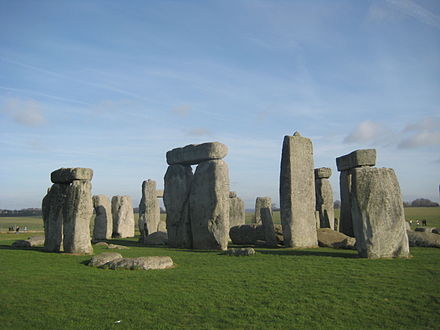
Early Photo 1877. Extent of reconstruction..!

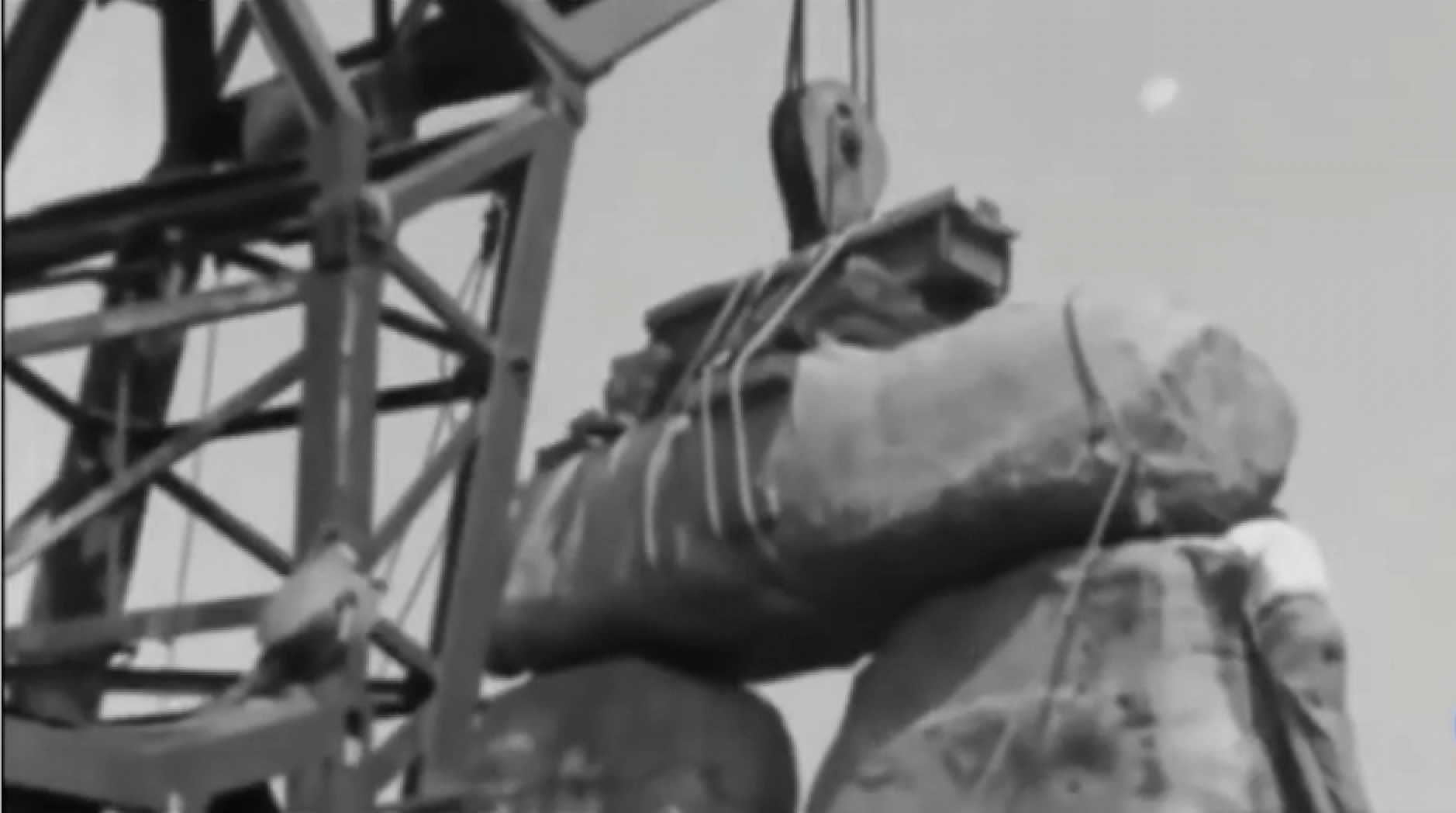


Re-Writing Stonehenge’s History..!
I have the same misgivings with some of the Egyptian sites.
Back at Luxor at the Temple of Amun. Originally, the temple was joined with Karnak by a long avenue of Sphinxes, many of which can still be seen today. What you see today in both temples is not how the temples were when they were discovered or release from the sands of time.
Before the 19th century excavation (RE-BUILD!) this was completely buried under the sands. Today renowned Egyptian scholars, such as the preeminent Zahi Hawass, are not embarrassed in the slightest to write scientific papers and tourist brochures that do not depict the truth; not even a single mention of the ‘artistic licence’ taken.
Taking a look at the coloured photo of Amun-Ra temple you can plainly see that the ram headed Sphinx(es? which is the correct plural) on the left of the entrance are on large plinth(s) (you wrote singular Sphinx but plural plinths) yet in the original black and white photo they are not. On the right we have fourteen Sphinxes, yet in the black and white original photo there are only four.
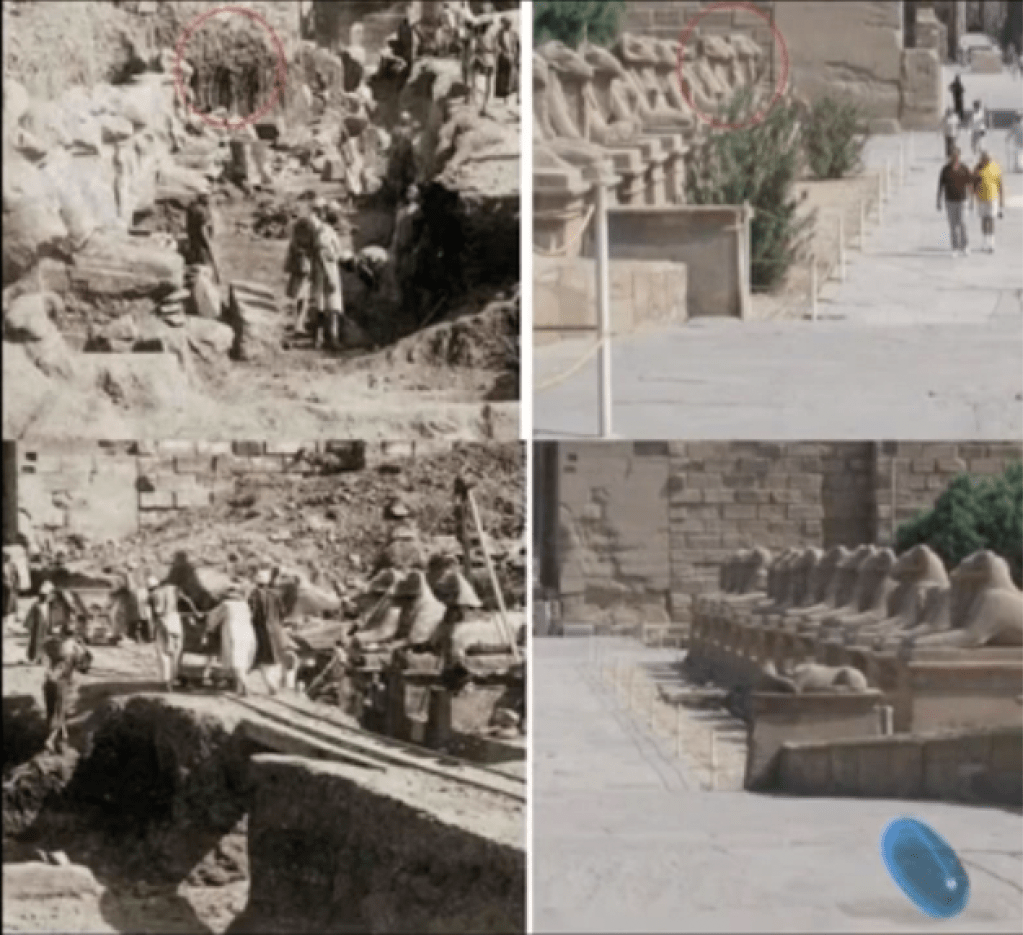
What we have here is a reconstruction not an excavation. Funded by UNESCO.
Yet sadly this is sold to the tourist’s as the real deal. They are told this is exactly how it was dug from the sand. And to be honest I hate being lied to by academia, do they feel that we are not mature enough to deal with the truth.
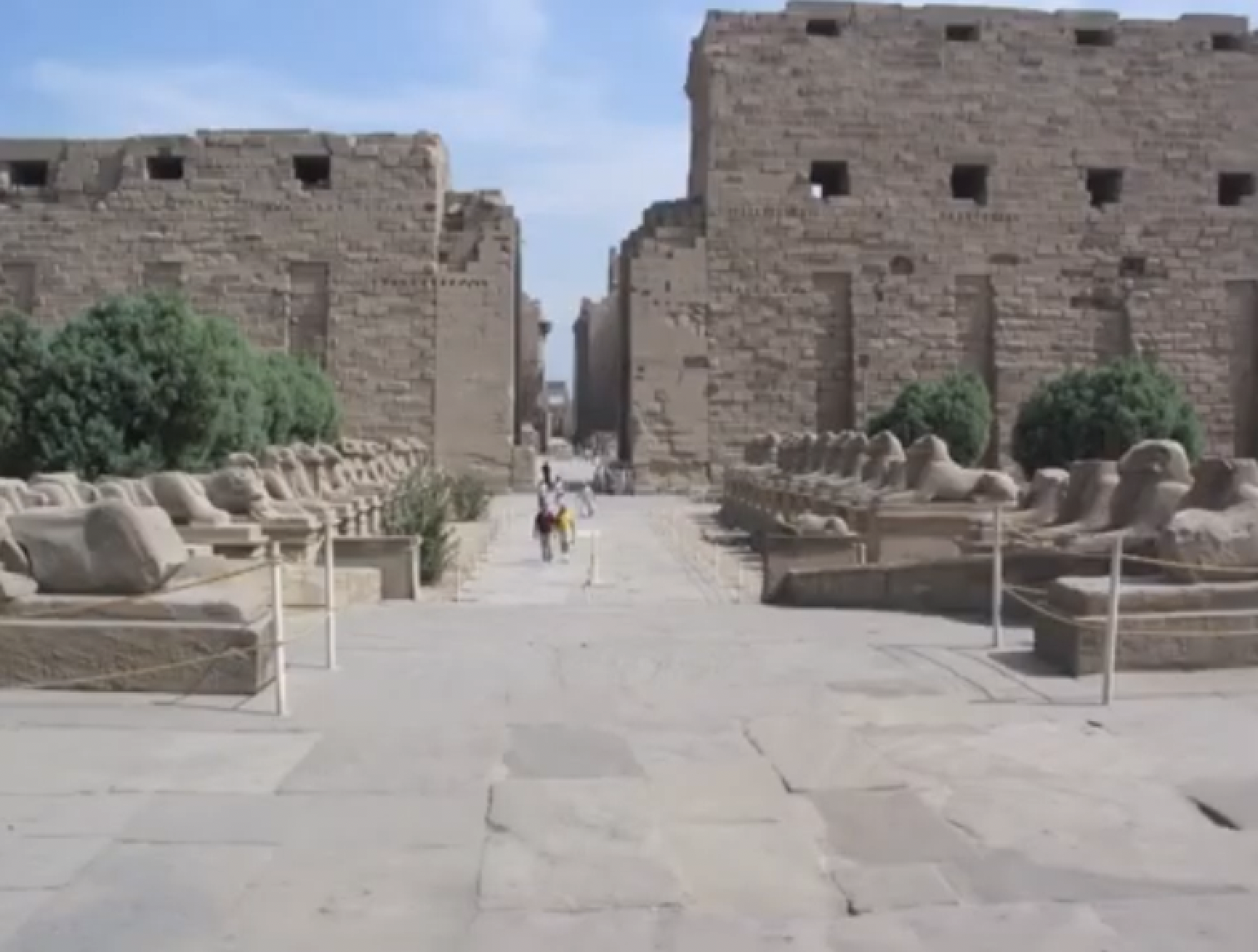
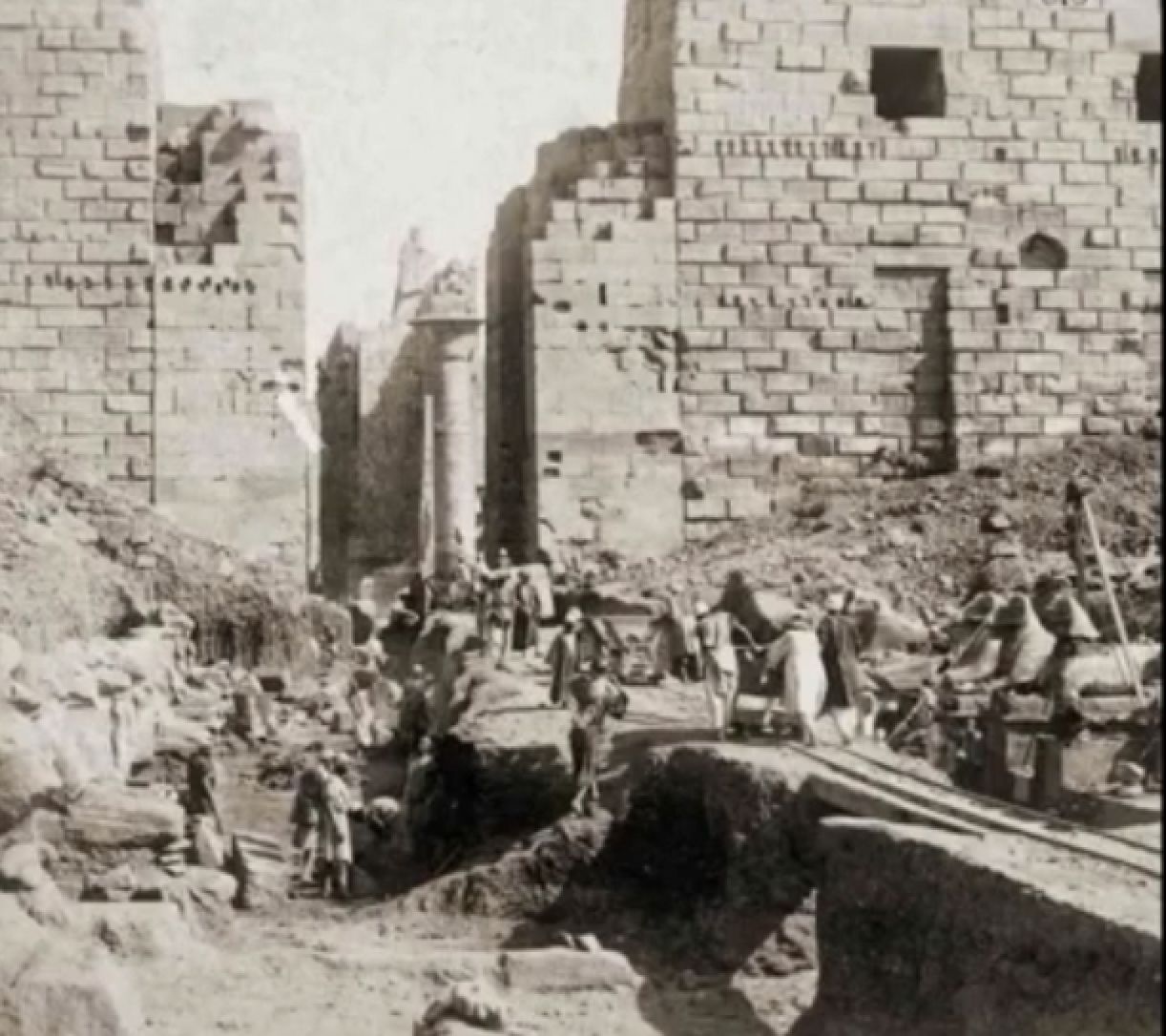
The Temple of Amun Ra. Two photos from approximately the same spot..!
Before the 19th century excavation (RE-BUILD) this was completely buried under the sands. Today Egyptian scholars like Zahi Hawass are not embarrassed to write scientific papers and tourist brochures that do not depict the truth.

Taking a look at the coloured photo of Amun -Ra Temple you can see that the Ram Headed Sphinx on the left of the entrance are on large plinths. Yet in the original Black and White photo they are not. On the right we have fourteen Sphinx, yet in the black and white original photo only four.
Some might say, “Don’t be stupid, there is no way extra Sphinxes would be made off site and transported to the temple..! If you did that you would be deceiving the public..!” In reality, not only deceiving the public but rewriting history! Others may say that it’s just not that big a deal, but I take exception to academics who bathe in our adulation having such scant regard for accuracy.

Made off site and being readied for transportation..!
What angered me was the obvious deception. There are the true artefacts, wonders of ancient times. Things that had been buried in the sands of time and are a joy to behold. Then there are the cheap knock offs. Or even worse deliberate rebuilds.
Let’s take a look at the quality of craftsmanship of a Ram Headed Sphinx at Luxor, and compare it with any at the Egyptian Museum in Cairo. It is like chalk and cheese. Why would all the other examples of these Sphinx be fantastically carved and exquisitely engraved. Yet those at the ‘Largest most Prestigious Site’ look mass produced..?
Look at the detail and skill involved here. Also the weathering of the stone. Even in the British Museum there is a Ram Headed Sphinx. It too looks way more intricately carved and weathered than any at the Temple of Amun-Ra.
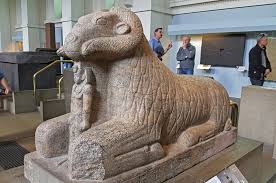
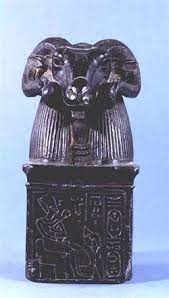
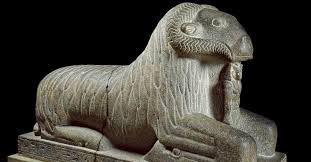
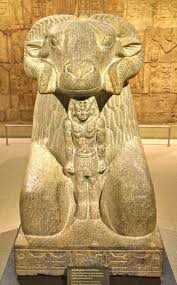
Yet here at the Temple of Amun-Ra the craftsmanship is missing, so to is the detail and polishing. And considering these sphinx were meant to be under the earth for 3000 years they are amazingly pristine.
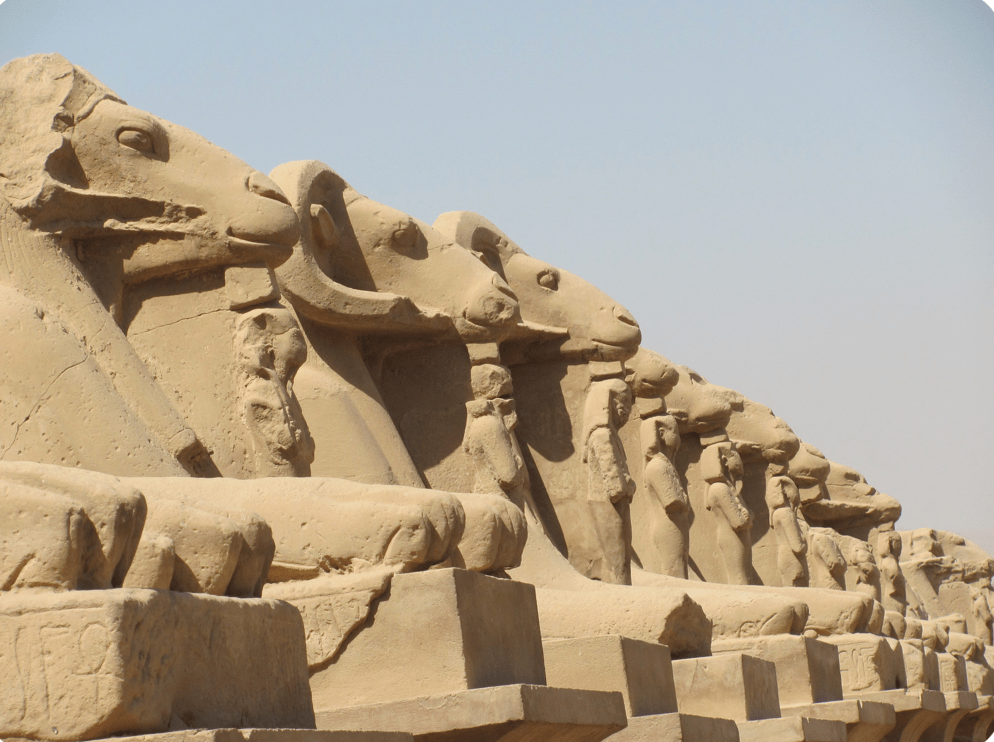
Way too Pristine and Clean for something buried for 3000 years..! Also on looking at the second set of Paw’s. If as we are told, these were carved from a single piece of stone how would a uniformed layer chip away leaving a perfect corner..?
Please don’t think that I have a distrust of human sincerity or integrity. But though I am no expert on these matters, I do have some burning questions that followers of mainstream Egyptology just brush aside. These questions have arisen because my research and readings clash with the regular narrative.

Wandering around The Temple of Amun-Ra.
I have several major issues. The first is the rebuilding of sites and passing them off as original sites. Another is if you don’t know why something was built just admit it..! Stop saying, “Oh we feel it was ritualistic or for ceremonial purposes.” When in truth you have no idea what it was built for or used for..! For example places being called Mortuary Temples. American Egyptologist Mark Lehner has carefully noted that, regarding the associated so-called ‘mortuary temples …that none has been found to have any actual trace of a mummification function. So why call it such..? Just admit you have no idea, and add that you are waiting for further evidence to clarify its use.
Something else which bugs me is that since the time of the earliest Egyptologists is the whole concept of everything Egyptian is ‘Settled Science’. Nothing freshly discovered has seemed to ever have altered the original ideas. This would never happen in any other field of discovery..!
Another wonderful location on the Nile is Aswan, the location of the huge Dam, and the Unfinished Obelisk. The trip to the Dam or ‘The Aswan High Dam’ as it is known today, was informative. It is is the world’s largest embankment dam, and has had a significant effect on the economy and culture of Egypt. Controlling flooding, helping with irrigation and of course generating hydroelectricity. A down side to the Dam has been flooding of Temples and communities.
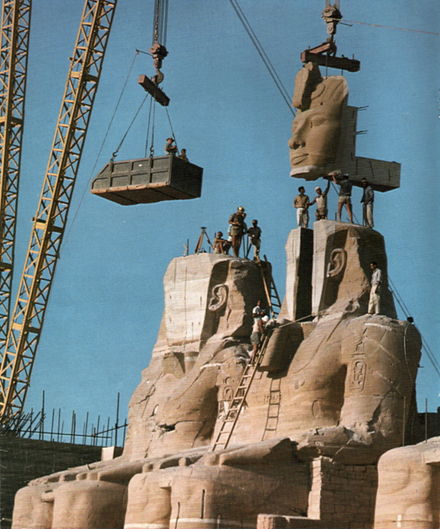
The statue of Ramses the Great at the Great Temple of Abu Simbel is reassembled after having been moved in 1967 to save it from being flooded.
What interested me the most at Aswan was the Unfinished Obelisk in the northern quarries. From this same site we have in London Cleopatra’s Needle which is an ancient Egyptian obelisk located on the Victoria Embankment in Westminster, London. Inscribed by Thutmose III and later Rameses II of the Egyptian New Kingdom, the obelisk was moved to Alexandria in 12 BC, where it remained buried under the sands for nearly two millennia. Its burial saving it from Vandalism and Weathering. It was presented to the United Kingdom in 1819 by the ruler of Egypt and Sudan Muhammad Ali, in commemoration of the victories of Lord Nelson at the Battle of the Nile and Sir Ralph Abercromby at the Battle of Alexandria in 1801.
During its transportation to London it was nearly lost in the Bay of Biscay due to a storm. Five sailors lost their lives trying to secure it. Once in London it was erected on the Victoria Embankment. With a wonderful time capsule buried beneath it. And a Plaque dedicated to the lost sailors.
I have passed Cleopatra’s Needle many times and was in total wonder at its beauty and flawless construction. On reading about it, and other Obelisks I was amazed to learn what Egyptologists thought was the manner of their construction.
Even to this day the belief that the workers had to take a ball of dolerite and drop it an infinite number of times until the obelisk was shaped and cut free from the bed rock. The sides cut first, then the underneath eventually freeing it for transportation.
Even as a teenager I found this very hard to believe. Especially as Queen Hatshepsut had two obelisk’s a hundred foot tall built and erected in under seven months. At the time, they were the tallest obelisks in the world, one can still be seen in Karnak.
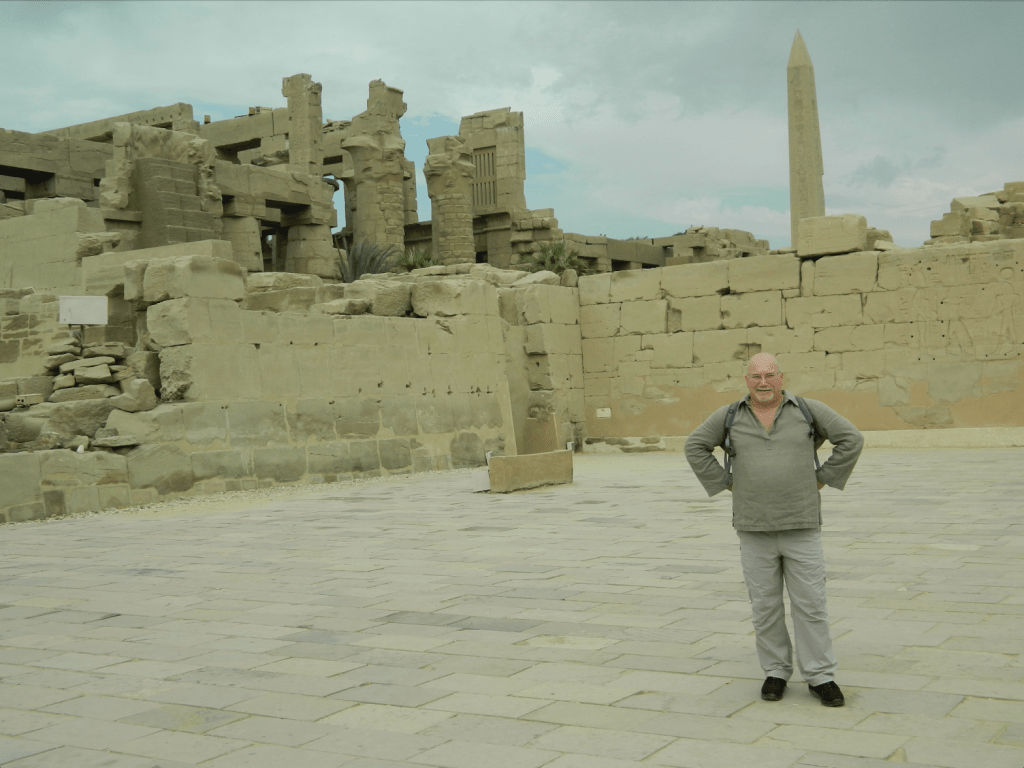
Me, at Karnak with Queen Hatshepsut’s Obelisk behind the wall to my rear.
According to Mainstream Egyptologists and this is what they have written. The unfinished obelisk at Aswan weighs over 1000 tons and shows how obelisks were made. The workers used a harder stone, dolerite, to pound out the granite. Since it was a daunting task, probably prisoners had to do it after the professional stonemason chose and marked the site for quarrying the obelisk. I like the term “probably prisoners had to do it…” there’s not a shred of evidence prisoners were anywhere near the quarry. Yet this is what schools teach our children.
I have walked around the Northern Quarries, and visited the unfinished obelisk. I stood on top of it, walked around its sides and crawled under its base. And I have to say that there is nothing about it that convinces me it was cut and shaped with pounding stones.
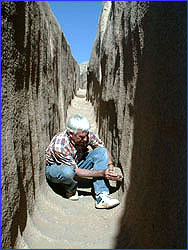
Crouching in the trench made by ancient quarrymen, Denys Stock, an expert on ancient Egyptian tools, demonstrates how the quarrymen “might have wielded” a dolerite pounder to carve out the obelisk. Photo courtesy of NOVA.
The simple lack of space to effectively use a pounding stone. Is one thing. Especially when trying to free the base. You would have to pound upwards, and in a gap smaller than your stone..!
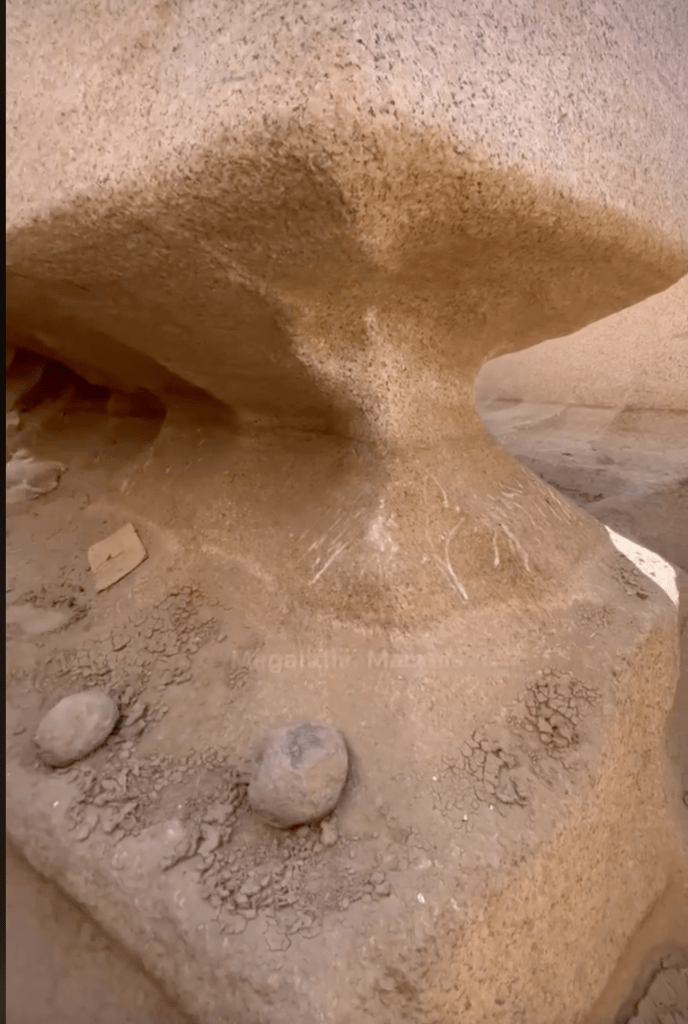
If it had been extracted and erected as originally conceived, the Unfinished Obelisk would have stood 137 feet tall and weighed 1,168 tons, dwarfing all others.
How would you get that pounding stone into that gap effectively, especially if you are shoulder to shoulder with other workers (Prisoners). I tried to fit the ball of dolerite into the scoop and it just would not fit nor reach the farthest recess of the scoop without first touching the base or top of the scoop…!
On a side note, something else that enhances my scepticism is that on the way out of the quarry there are several Arab Gentlemen with Dolerite pounding stones giving you the opportunity to have an attempt at pounding some pink Granite. The Dolerite balls are about the size of a Coconut, and the area to pound is about belly button hight. So ideal conditions and location for some good pounding. Yet considering thousands upon thousands of tourists have taken the opportunity to pound the same spot. There is hardly a mark on the granite. One would think that there would be by now a Scoop pattern forming similar to the base of the obelisk yet there is not.
Famed Egyptologist Mark Lehner recalled that after once pounding for several hours, he could barely type on a computer. (“All I wanted to do was smash the keys,” he said.) On another occasion he said. “I did it for only 20 minutes, and all I had to show for it was a baby’s palmful of granite dust. And the granite’s surface looked no different from when I’d started.”

Denys Stocks measures the cut made over 10 days by a copper saw, 12 cm. in 10 Day’s and The Nova Project deemed this a success. And justified it by saying this is a method the ancient Egyptians likely used.
Can I offer an alternative construction method..? In truth no I cannot. But I can say that I definitely don’t go with the one offered at the moment. So having had my doubts about the obelisk’s construction methods confirmed. It was back on the bus and the return journey to our boat waiting for us on the Nile.

 Chesty Traveling